
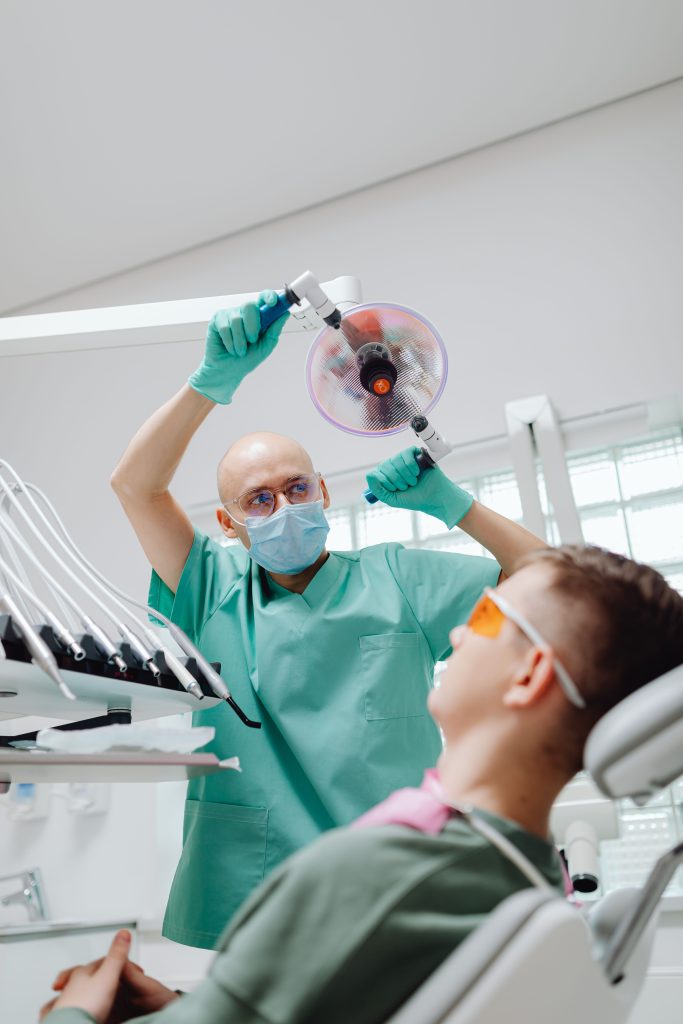
Early dental experiences shape how children feel about oral care throughout their lives. A dentist trained specifically to treat young patients understands the developmental, emotional, and behavioral needs that make pediatric dentistry unique. Families who choose a provider with specialized training benefit from a more supportive environment, tailored treatment approaches, and long term guidance that helps children build healthy habits. A child’s comfort, confidence, and overall well being improve when dental care is designed with their needs in mind.
A Child-Friendly Environment That Encourages Comfort
A welcoming, ageappropriate environment helps children feel at ease during dental visits. Concepts like child comfort and supportive settings show how surroundings influence emotional responses.
Dentists trained to treat young patients design their offices with calming colors, friendly décor, and tools that feel less intimidating. Staff members use gentle communication and positive reinforcement to help children relax. Families who visit a pediatric dentist in Moreno Valley often notice how these thoughtful details reduce anxiety and encourage cooperation. When children feel comfortable, they are more likely to develop trust and maintain positive attitudes toward dental care as they grow.
Specialized Training That Supports Developmental Needs
Children require dental care that aligns with their physical and emotional development. Concepts like ageappropriate treatment and behavioral guidance highlight how specialized training improves outcomes.
Pediatric dentists understand how to communicate with young patients, explain procedures in simple terms, and use techniques that encourage calm behavior. Their training allows them to identify early developmental concerns, monitor growth patterns, and tailor preventive care to each child’s needs. This expertise ensures that children receive care that supports both comfort and long term oral health.
Preventive Care That Builds Lifelong Healthy Habits
Preventive care is essential for maintaining strong teeth and gums, especially during childhood when habits are still forming. Concepts like preventive dentistry and habit formation reinforce how early guidance supports lifelong wellness.
Dentists trained to treat young patients emphasize routine cleanings, fluoride treatments, cavity prevention, and education. They teach children how to brush and floss effectively, helping them understand the importance of daily oral hygiene. When preventive care begins early, children learn habits that support long term dental health and reduce the likelihood of future complications.
Early Detection That Prevents Long-Term Dental Issues
Children’s teeth and jaws develop quickly, making early detection of dental concerns especially important. Concepts like growth monitoring and early intervention highlight how timely evaluation supports long term health.
Dentists trained to treat young patients can identify issues such as misalignment, bite problems, enamel weakness, or early decay. Detecting these concerns early allows for treatment that prevents complications, reduces discomfort, and supports proper development. Early intervention also helps families avoid more complex procedures later in life, making routine visits a valuable investment in long term wellness.
Communication Techniques That Build Confidence and Trust
Positive communication helps children feel empowered during dental visits. Concepts like childcentered communication and trust building show how language influences comfort.
Dentists trained to treat young patients use encouraging words, simple explanations, and gentle guidance to help children understand what to expect. This approach reduces fear, builds trust, and teaches children that dental care is manageable. Supportive communication also helps parents feel informed and involved, creating a collaborative experience that benefits the entire family.
Treatment Approaches Designed for Safety and Comfort
Children require treatment methods that prioritize safety, comfort, and developmental needs. Concepts like pediatric treatment techniques and comfortfocused care reinforce how specialized approaches improve experiences.
Dentists trained to treat young patients use tools and techniques designed for smaller mouths, gentler procedures, and ageappropriate pacing. Their expertise ensures that treatments are performed safely and comfortably, reducing stress for both children and parents. This thoughtful approach supports positive experiences that encourage long term dental confidence.
Conclusion
Choosing a dentist trained to treat young patients offers meaningful benefits, including a childfriendly environment, specialized developmental care, preventive guidance, early detection, supportive communication, and treatment approaches designed for comfort and safety. When families select a provider who understands children’s unique needs, they help create positive dental experiences that support lifelong oral health.