
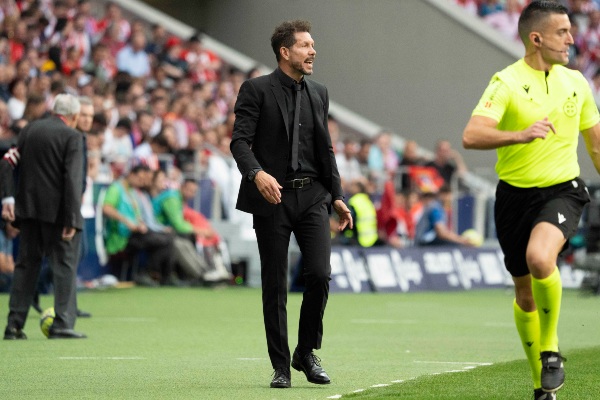
In La Liga 2023/24, the coach’s tactical blueprint is one of the most reliable guides to how a match will actually look, often more revealing than league position alone. System choices around possession, pressing, and defensive structure determine whether a team shapes the game or simply survives, and that, in turn, affects how rational it is to support or oppose them in specific matchups.
Why Tactics Should Shape Pre‑Match Side Selection
Tactical identity dictates how a team uses and defends space, which directly influences shot volume, territory, and game states that matter for betting outcomes. A possession-dominant side that presses high will usually generate more sustained attacks and suppress opponent chances, making them more dependable at home against weaker rivals than a reactive side that sits deep and concedes territory. Conversely, compact low‑block teams can become disproportionately dangerous as underdogs in certain fixtures because their structure is built to frustrate stronger opponents and exploit rare moments, even if their raw statistics look modest.
Mapping La Liga 2023/24 Tactical Styles at Team Level
Across 2023/24, La Liga displayed a clear spread of stylistic archetypes, from heavy-possession control to direct, aerial-based football. Possession rankings show Barcelona leading the league with around 64% of the ball, followed closely by Las Palmas on roughly 60%, then Real Madrid, Girona, and Real Sociedad in the high-50s, while clubs such as Alavés and Cádiz sat toward the lower 40s. That distribution signals a simple but critical reality: some coaches build their game around monopolising the ball, whereas others prefer compactness and direct transitions, and bettors who ignore that split are effectively treating all matches as structurally similar when they are not.
Possession Coaches vs Pragmatic Coaches: What It Means for Sides
High-possession coaches—at Barcelona, Las Palmas, Real Madrid, and Girona—seeking to control midfield and press quickly after losses of possession aim to tilt matches in their favour by sheer volume of controlled attacks. Their teams typically defend by keeping the ball, with pressing used to regain it quickly in advanced zones, which often leads to sustained territorial dominance and higher shot counts. On the other hand, coaches of more pragmatic sides such as Getafe under José Bordalás and Osasuna under Jagoba Arrasate accept lower possession but build detailed defensive schemes around compact shapes, targeted pressing triggers, and aerial duels to neutralise technically superior opponents.
For a bettor deciding which side to back, this translates into different default expectations: possession coaches are more trustworthy favourites in games where they can impose their structure, while pragmatic coaches are more interesting when priced as sizeable underdogs in matches that will revolve around duels, set pieces, and exploiting opposition frustration.
Tactical Profiles of Key 2023/24 Coaches and Their Practical Effects
Several La Liga coaches during 2023/24 had particularly clear tactical identities that shaped match patterns in repeatable ways. Barcelona’s Xavi Hernández favoured a possession-based 4‑3‑3 with a high defensive line, intense pressing, and patient circulation until breaking into the box, aligning with the broader positional-play template that seeks to dominate both ball and territory. In contrast, Diego Simeone’s Atlético Madrid leaned on a more compact, often 3‑ or 5‑at‑the‑back structure with selective high pressing and an emphasis on vertical transitions, making their matches more about controlling space than maximizing possession for its own sake.
Meanwhile, coaches associated with more rugged setups—such as José Bordalás at Getafe and Jagoba Arrasate at Osasuna—used aggressive defensive structures, aerial battles, and targeted pressing funnels to steer opponents into less comfortable zones on the pitch. That divergence in approach generates distinct risk patterns: backing Barcelona at home usually means trusting them to convert territorial control into enough chances, while opposing them might rely on a well-prepared low block surviving waves of pressure; backing Getafe or Osasuna often means accepting low shot volumes but banking on their tactical ability to limit high-quality chances against and profit from set pieces.
Mechanisms: How Styles Produce Different Match States
The immediate impact of these choices lies in game states and their persistence. A possession-heavy side tends to spend large periods leading or drawing with control of the ball, which compresses risk against weaker opponents but can leave them vulnerable to occasional high-quality counters if counter-pressing fails. A deep-, duel-based team tends to produce fragmented games with more stoppages, lower rhythm, and a higher influence from refereeing and set-pieces, which can both flatten the gap to stronger rivals and increase the variability of outcomes when viewed from a betting lens.
Using a Simple Style Matrix Before Choosing a Side
Turning tactical impressions into a structured decision process reduces the risk of overreacting to narratives. One useful approach is to classify teams along a few axes—possession level, pressing intensity, and verticality—and then ask how those styles interact in a given matchup rather than evaluating each side in isolation.
The table below illustrates how some La Liga 2023/24 teams fit into broad tactical categories based on possession and stylistic tendencies, using available rankings and tactical analyses as reference.
| Team | Possession Tendency (2023/24) | Tactical Lean | Betting-Relevant Implication |
| Barcelona | Very high (~64%) | Positional play, high pressing | Often drives games, strong favourite vs weaker teams. |
| Las Palmas | Very high (~60%) | Build-up and control under Pimienta | Dominates ball but may lack punch; draws/unders viable. |
| Real Madrid | High (~59%) | Possession plus transition threat | Dangerous in most states; overreliance on talent peaks. |
| Girona | High (~57%) | Fluid attacking structure | Overperformance runs possible; style suits overs. |
| Real Sociedad | High (~55%) | Structured, positional, compact | Often controls territory, but can underfinish. |
| Getafe | Lower (~45%) | Direct, aerial, Bordalás intensity | Strong as spoiler vs big sides; riskier as clear favourite. |
| Osasuna | Mid‑low (~47%) | Funnel pressing and wide traps | Suited to frustrating opponents, close margins likely. |
| Alavés | Lower (~41%) | Deep block, direct exits | Often under pressure; best in underdog, low-score scripts. |
For side selection, the point is not to memorise every label but to ask how styles interact: possession-vs-possession often favours the technically superior side, while possession-vs-deep-block matches hinge on the favourite’s efficiency and patience, and deep-block-vs-deep-block games tend to produce tight contests where pricing a big favourite is harder to justify.
Embedding Tactical Reading in a Data-Driven Routine
Tactical understanding adds depth when it sits alongside quantitative indicators rather than replacing them. Possession percentages, shot locations, and passing patterns help confirm what the eye test suggests: whether a team genuinely controls matches or simply cycles the ball far from goal, whether pressing actually produces high turnovers or just leaves gaps, and whether direct teams are generating enough quality from their transitions. This combination allows bettors to separate surface-level styles from effective ones—for instance, distinguishing between a team that keeps the ball but rarely penetrates and one that turns territorial dominance into high xG in the box.
In practice, many bettors now work inside a single sports betting service that collates live and pre‑match odds with basic team stats; ufabet168 can be considered an example of such a service where tactical reading and market observation meet. Within that sort of environment, the key is to use tactical categories as filters—identifying, for example, “possession fave vs deep block underdog” or “two direct, aerial sides”—and then compare those patterns with offered odds instead of reacting to one-off headlines; otherwise, the convenience of a consolidated service risks encouraging quick bets based on name recognition rather than on style-versus-style logic.
Where Tactical Reading Strengthens Side Selection
Tactical profiles are especially useful in certain recurring La Liga scenarios. When a high-possession team faces a low‑block opponent in a small stadium with a demanding crowd, understanding whether the favourite thrives in tight spaces or prefers transitional chaos can help you judge if odds on an away win are too short or fair. Similarly, when two aggressive pressing sides meet, awareness that both will try to squeeze the pitch and force mistakes can tilt expectations toward high-intensity, mistake-driven matches where red cards, penalties, and big swings in momentum are more likely, making short prices on either side more fragile.
Tactical reading also helps avoid overreacting to short losing runs. A team whose core metrics—possession in the final third, high turnovers, and xG—remain strong despite a few poor results under the same coach may simply be experiencing normal variance, whereas a sudden drop in intensity or structural changes can signal a genuine decline that justifies downgrading them earlier than the table alone would suggest.
Why Tactical Logic Can Still Fail as a Betting Guide
Even well-constructed tactical models have blind spots. Coaches adjust plans for specific opponents, especially in late-season or high-stakes matches, and those one-off changes can invert expected patterns—possession teams playing more directly, deep-block teams pressing higher after a relegation rival’s result, or managers rotating heavily due to fatigue. In those cases, bets anchored solely on a team’s “usual style” can miss the impact of these situational shifts, leading to misreads of both tempo and balance.
Moreover, tactical labels often lag behind reality. Media narratives may continue to describe a side as defensive long after a new coach has installed more ambitious pressing, or as possession-obsessed even when injuries force a more conservative setup. Failing to update those labels with fresh data—possession trends, pressing intensity, and chance locations—turns tactical reading from a strength into a liability, because decisions are then based on outdated versions of teams that no longer exist in that form.
Tactical Thinking in the Wider Betting and Gaming Context
Modern digital environments present football analysis and bets alongside other products, and that proximity changes how tactical reasoning is used. Within a single account, users might move from pre‑match breakdowns into live bets and then into a dedicated casino tab, and the fast pace of switching can erode the slow, conditional thinking that tactical reading requires. Keeping tactical analysis productive means ring‑fencing it for football markets only and resisting the pull to treat the same logic as relevant in casino online contexts, where randomness and house edge, not coaching structure, drive outcomes.
Summary
In La Liga 2023/24, coaching tactics around possession, pressing, and defensive structure created repeatable match patterns that offer concrete clues about which side to back in specific fixtures. High-possession coaches at clubs like Barcelona, Las Palmas, Real Madrid, and Girona shaped games through ball control and pressing, while pragmatic coaches at Getafe, Osasuna, and other lower-possession sides relied on compact blocks, aerial duels, and targeted pressing funnels to neutralise stronger opponents. Using these tactical profiles as structured inputs—alongside quantitative metrics and current context—allows bettors to treat “choosing a side” as an applied reading of style-versus-style dynamics rather than a reaction to table position or recent scorelines alone.