
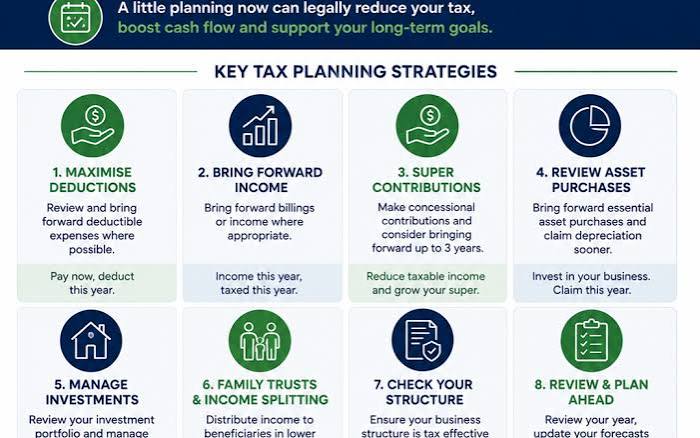
Long-term wealth is built through consistent planning, disciplined financial habits, and a clear understanding of how taxes influence overall growth. Tax efficiency plays a central role in preserving earnings, maximizing investment potential, and ensuring that financial decisions support both present needs and future goals. When individuals incorporate tax-efficient strategies into their broader financial plan, they create a stronger foundation for sustainable wealth that can adapt to changing circumstances and long-term aspirations.
Structuring Income to Reduce Tax Burden
Income structure has a significant impact on long-term tax efficiency. Concepts like income allocation and tax bracket management highlight how thoughtful planning can reduce unnecessary tax exposure.
Professionals and business owners often benefit from evaluating how their income is categorized, whether through salary, dividends, bonuses, or business distributions. Strategic structuring can help minimize taxable income while supporting long-term financial goals. Many individuals turn to Denver financial planning resources to better understand how income structure influences tax outcomes and how adjustments can support greater efficiency over time.
Maximizing Contributions to Tax-Advantaged Accounts
Tax-advantaged accounts play a major role in long-term wealth building. Concepts like retirement planning and tax-deferred growth show how these accounts support both savings and tax reduction.
Contributing to accounts such as traditional IRAs, Roth IRAs, employer-sponsored retirement plans, or health savings accounts allows individuals to reduce taxable income or benefit from tax-free growth. These accounts create opportunities for long-term accumulation while minimizing the tax impact on earnings. When used consistently, they become powerful tools for building wealth that lasts.
Using Strategic Investment Placement to Improve Tax Efficiency
Investment placement refers to choosing the right accounts for different types of investments. Concepts like asset location and investment tax planning highlight how placement influences tax outcomes.
Tax-efficient investments such as index funds or municipal bonds may be better suited for taxable accounts, while higher-growth or higher-turnover investments may benefit from being placed in tax-deferred or tax-free accounts. Strategic placement helps reduce capital gains taxes, minimize annual tax liability, and support long-term growth. When investments are positioned thoughtfully, they contribute more effectively to overall wealth.
Planning for Capital Gains to Preserve Long-Term Value
Capital gains can significantly influence long-term wealth, especially for individuals with substantial investments. Concepts like capital gains timing and tax-efficient selling show how planning supports better outcomes.
Long-term capital gains are taxed at lower rates than short-term gains, making holding periods an important part of tax strategy. Individuals can also plan sales during lower-income years, offset gains with losses, or structure transactions to reduce tax exposure. Thoughtful capital gains planning helps preserve more investment value and supports long-term financial stability.
Incorporating Estate Planning to Reduce Future Tax Liability
Estate planning is an essential component of long-term tax efficiency. Concepts like wealth transfer and estate tax planning highlight how preparation supports financial continuity.
Strategies such as gifting, establishing trusts, or structuring inheritances can help reduce estate taxes and ensure that wealth is transferred smoothly to future generations. Estate planning also provides clarity, reduces legal complications, and supports long-term financial goals. When tax efficiency is integrated into estate planning, it strengthens both personal financial security and future legacy.
Conclusion
Tax-efficient strategies such as income structuring, maximizing tax-advantaged accounts, strategic investment placement, capital gains planning, and estate preparation all play essential roles in building long-term wealth. When individuals approach tax planning with clarity and intention, they create a financial foundation that supports stability, growth, and long-term success.