
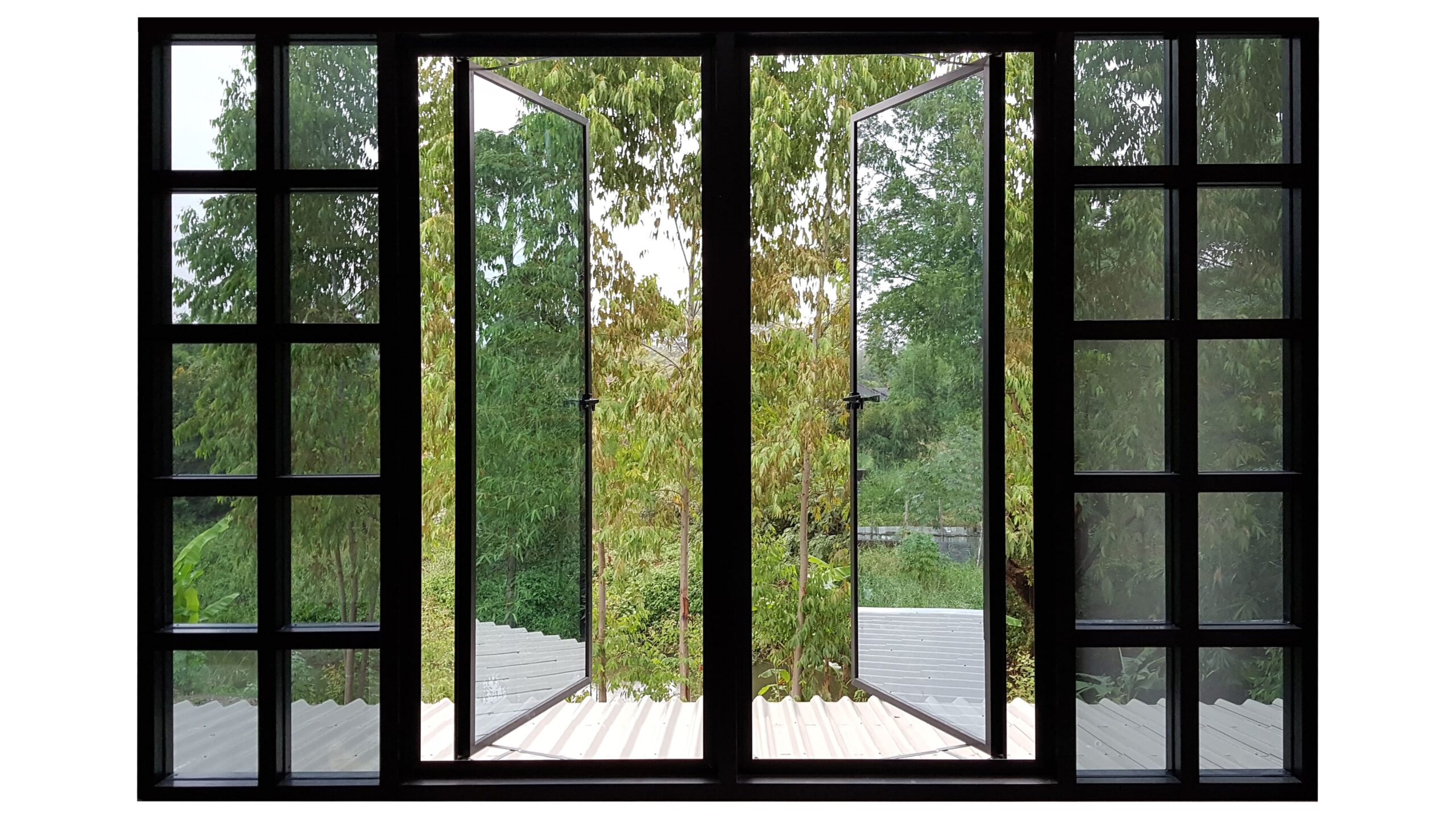
In today’s world of modern architecture and construction, the choice of materials can significantly influence the functionality, style, and durability of a building. Among the most sought-after solutions are aluminum doors and windows, known for their strength, energy efficiency, and sleek appearance. For architects, builders, and developers who prioritize both performance and design, partnering with trusted manufacturers like APRO Door and Windowensures access to high-quality systems that meet global standards.
Why Aluminum is the Preferred Material in Modern Construction
Aluminum has become the gold standard in architectural framing materials. Unlike wood or uPVC, it offers superior structural integrity, allowing for slimmer frames and larger glass panels without compromising safety or stability. This translates into elegant designs with enhanced natural light, perfect for both residential and commercial spaces.
Key advantages of aluminum include:
Durability: Resistant to rust, corrosion, and weather damage, aluminum lasts for decades with minimal maintenance.
Design Flexibility: Aluminum frames can be customized in various colors, finishes, and profiles.
Energy Efficiency: Modern aluminum systems integrate thermal breaks that reduce heat transfer and improve insulation.
Sustainability: Aluminum is 100% recyclable, making it an eco-friendly choice for green buildings.
Cost-Effectiveness: Although the initial investment might be higher, its longevity and low maintenance make aluminum highly economical over time.
Understanding the Different Types of Aluminum Systems
When choosing aluminum doors and windows, it’s important to understand the different types available in the market. Each system offers unique benefits depending on your project’s requirements.
1. Aluminum Sliding Doors
Ideal for spaces that need a seamless connection between indoors and outdoors. Sliding doors are perfect for patios, balconies, and commercial showrooms. They save space, are easy to operate, and provide excellent natural lighting.
2. Aluminum Casement Windows
These are hinged windows that open outward, allowing for maximum ventilation. Casement windows are often used in both residential and office buildings due to their classic look and energy-efficient sealing system.
3. Aluminum Curtain Walls
For large commercial facades, curtain wall systems provide an elegant glass exterior that combines aesthetics with performance. These non-structural systems enhance building insulation, soundproofing, and weather resistance.
4. Aluminum Partitions
In modern offices, aluminum partitions offer flexible solutions for creating workspaces without permanent walls. They are lightweight, stylish, and can incorporate glass panels for transparency and openness.
Factors to Consider Before Choosing Aluminum Doors and Windows
To ensure that you get the best performance and longevity from your aluminum systems, consider the following factors:
1. Thermal Insulation
Not all aluminum systems are the same. Choose models with thermal breaks—special barriers that minimize heat transfer between the interior and exterior, improving energy efficiency and comfort.
2. Glass Type
The type of glass you select greatly influences the performance of your windows and doors. Double-glazed or Low-E glass can reduce noise, block UV rays, and maintain a stable indoor temperature.
3. Hardware Quality
Handles, locks, rollers, and hinges should be made from corrosion-resistant materials. High-quality hardware ensures smooth operation and adds to the product’s lifespan.
4. Finish and Coating
Powder coating or anodized finishes protect the aluminum surface from oxidation and fading. You can select from a variety of textures and colors to complement your building’s design.
5. Design and Functionality
Choose a design that enhances the aesthetic of your project while meeting functional needs—be it sliding, folding, or tilt-and-turn systems. Modern aluminum profiles allow great customization for architects and builders.
Tips for Selecting a Reliable Aluminum Supplier
Selecting a trusted manufacturer is just as important as choosing the right product. Here are a few tips:
Check the Manufacturer’s Experience – Opt for suppliers who specialize in high-quality architectural aluminum systems.
Ask About Certifications – Ensure the products comply with international standards like ISO or CE.
Evaluate Project Portfolio – Review previous installations to assess the brand’s credibility.
Look for After-Sales Support – Reliable suppliers offer maintenance, technical support, and warranty coverage.
By partnering with a reputable supplier, you not only guarantee product quality but also benefit from expert guidance throughout the project lifecycle.
Trends in Modern Aluminum Design
Architectural trends continue to evolve, and aluminum systems are at the forefront of these innovations. Here are some exciting trends shaping the industry:
Slimline Frames: Minimalistic designs with narrow sightlines are gaining popularity for contemporary buildings.
Smart Integration: Automated doors and windows that connect with smart home systems are becoming standard.
Acoustic Insulation: Improved glazing technology reduces external noise for a more comfortable indoor environment.
Sustainable Manufacturing: More companies are adopting eco-friendly production methods, including recycling and energy-efficient fabrication.
Common Mistakes to Avoid When Choosing Aluminum Systems
Even though aluminum systems are versatile and durable, mistakes during selection or installation can affect their performance:
Ignoring Local Climate Conditions: The thermal performance needed in tropical areas differs from that in colder regions.
Choosing Based on Price Alone: Low-cost systems often compromise on quality, durability, and energy efficiency.
Poor Installation: Even the best products fail without skilled installation. Always work with certified installers.
Neglecting Maintenance: Though aluminum requires minimal upkeep, periodic cleaning and lubrication extend its lifespan.
Maintenance Tips for Longevity
Aluminum doors and windows are known for their low maintenance, but following a few simple steps can keep them in pristine condition:
Clean frames and glass regularly with mild detergent and water.
Avoid using abrasive cleaners that might scratch the finish.
Check for debris in sliding tracks and drain holes to ensure smooth operation.
Lubricate moving parts periodically to prevent friction or wear.
With proper care, aluminum systems can maintain their appearance and performance for decades.
The Role of Aluminum in Sustainable Building
Sustainability is no longer optional—it’s a necessity. Aluminum’s recyclability and long lifespan make it one of the most sustainable materials available. When you choose aluminum for your doors, windows, or curtain walls, you’re contributing to energy efficiency, reduced waste, and a smaller carbon footprint.
Additionally, modern aluminum systems are designed to support green building certifications like LEED, which further enhances a project’s value and marketability.
Final Thoughts
Whether you’re designing a luxury residence, a commercial high-rise, or an industrial facility, investing in high-quality aluminum doors and windows ensures performance, aesthetics, and long-term savings. By selecting reliable suppliers such as aprodoor.com, architects and builders can confidently deliver projects that combine innovation with durability.
Aluminum remains a timeless choice—sleek, strong, and sustainable—making it the ultimate solution for modern architectural design.